

Technology
AWS & Cloud development.
Hosting that is boring, backed up and paid for sensibly.
MeetOnChai Studio sets up and runs hosting for the sites and apps we build. MangoMasti, Oryizon, Shwetrex Pharma and WS Nepal are all deployed on Vercel, and we use AWS and Docker when a project needs its own servers, background workers or data kept in a specific region. Every setup comes with automated deploys, backups and a way to roll back.
Why we use it
Why AWS & Cloud, and when not.
Most of our frontends go to Vercel because it removes a whole category of work. Every pull request gets a preview link, production deploys happen on merge, and pages are served from a global edge network. For a marketing site or a Next.js store, that means you pay for traffic, not for a server sitting idle, and nobody has to patch an operating system.
AWS covers what Vercel is not built for: long-running jobs, queues, private networks, large file storage and databases you control. We use the managed pieces where they make sense, like RDS for Postgres, S3 and CloudFront for files, and containers on ECS when an app needs a server that stays up. Everything is packaged with Docker and deployed through CI/CD pipelines, so the setup is repeatable and not locked in someone's head.
When it's the wrong call: If you run a small website or a WooCommerce store, a good managed host is simpler and cheaper than an AWS account full of services nobody on your team understands. AWS also rewards expertise and punishes neglect, and an unwatched account can produce surprise bills. We will not move you to AWS, or to Kubernetes, unless the workload actually needs it.
What we build
What we build with AWS & Cloud.
- 01
Vercel deployments with preview links
Next.js and React sites deployed on every merge, with a preview URL for every change so you can review before it goes live.
- 02
Containerised backends on AWS
Node.js or Python services packaged in Docker and run on ECS or a similar managed container service, with health checks and auto-restart.
- 03
CI/CD pipelines
GitHub Actions workflows that type-check, test and build before anything reaches production, with secrets stored outside the code.
- 04
Files, media and CDN
Uploads and product images stored in S3 and served through a CDN, so they load quickly and do not eat into your app server.
- 05
Backups, monitoring and alerts
Automated database backups with tested restores, uptime checks and error alerts that reach a person before your customers notice.
- 06
Cost reviews and migrations
Reviewing an existing cloud bill, removing what is unused and moving workloads to a simpler or cheaper setup when it makes sense.
The stack around it
What it ships with.
- Frontend hosting
- VercelAWS CloudFrontEdge caching
- Compute
- DockerAWS ECSAWS LambdaVercel Functions
- Data and storage
- AWS RDS for PostgreSQLAmazon S3Managed MongoDB Atlas
- Delivery and operations
- GitHub ActionsInfrastructure as codeLogging and uptime monitoring
Honest comparison
AWS & Cloud vs the alternatives.
vs Google Cloud or Azure
Comparable in capability. If your company already runs on one of them, we will build there. Without that pull, AWS has the broadest set of services and regions.
vs A single VPS (DigitalOcean, Hetzner, Linode)
Cheap and predictable for small apps with steady traffic. You take on patching, backups and scaling yourself, which is fine until it is not.
vs Netlify or Cloudflare Pages
Good choices for static and edge-first sites. For Next.js projects we usually prefer Vercel, where new framework features tend to land first.
Proof
Built with AWS & Cloud.
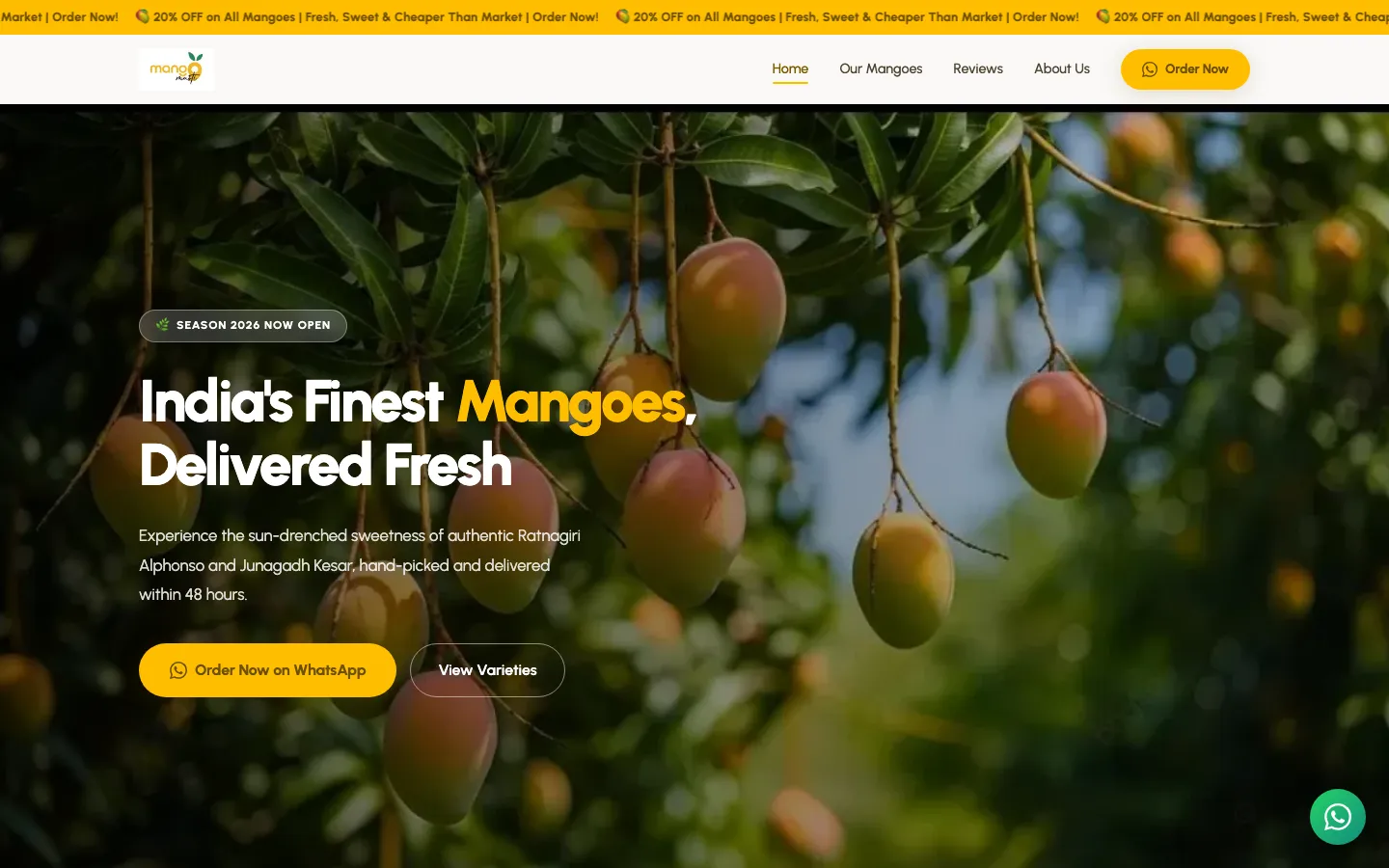 Read the MangoMasti case study
MangoMasti
Food & agriculture · India
Seasonal e-commerce platform for premium mango delivery across India, shipped before mango season under a hard deadline.
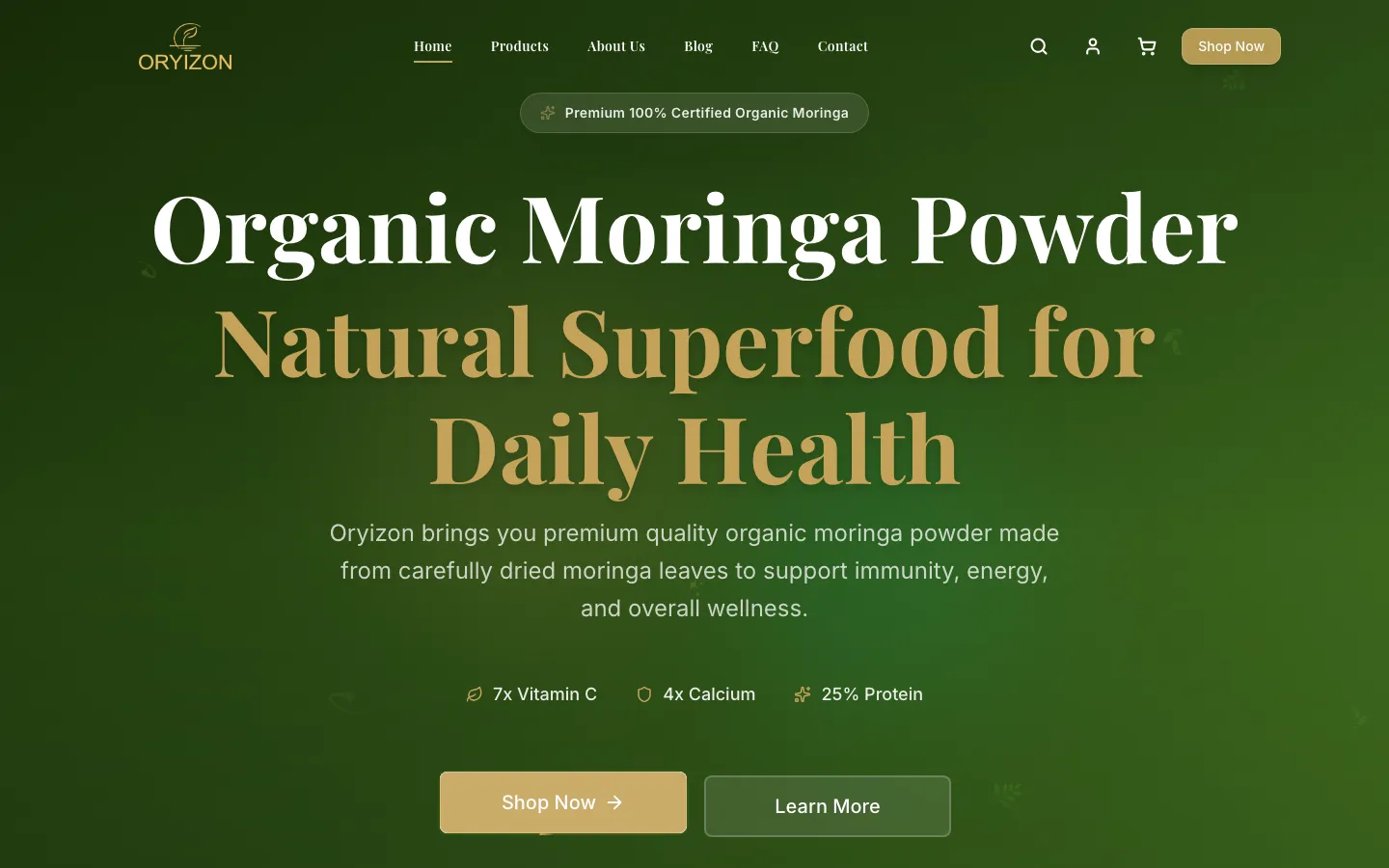 Read the Oryizon case study
Oryizon
Health & wellness · India
Full e-commerce platform for a health and wellness brand selling premium organic Moringa leaf powder.
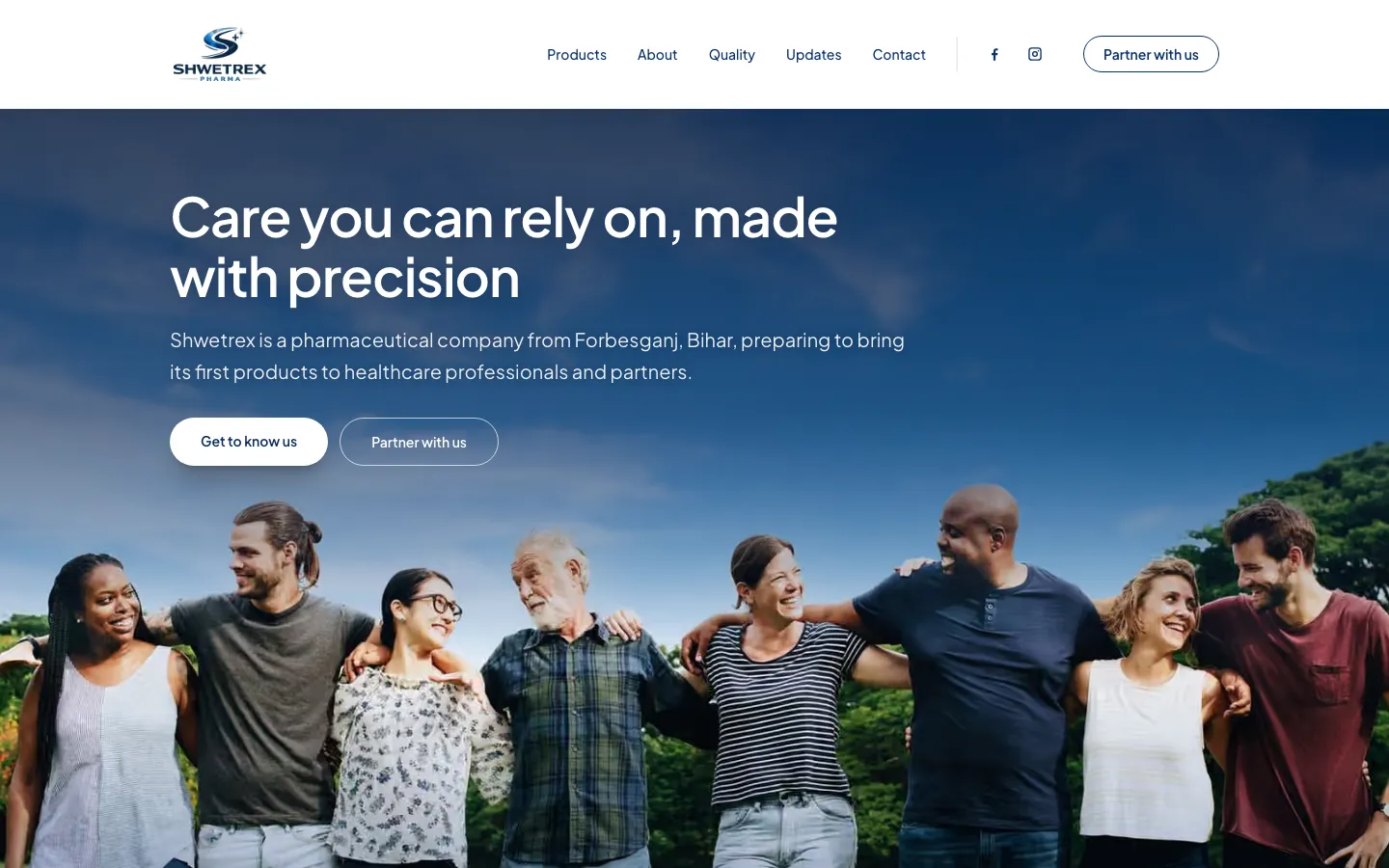 Read the Shwetrex Pharma case study
Shwetrex Pharma
Pharmaceuticals · India
Corporate website for a pharmaceutical company in Forbesganj, Bihar: product catalogue, distributor enquiries and compliance-aware content.
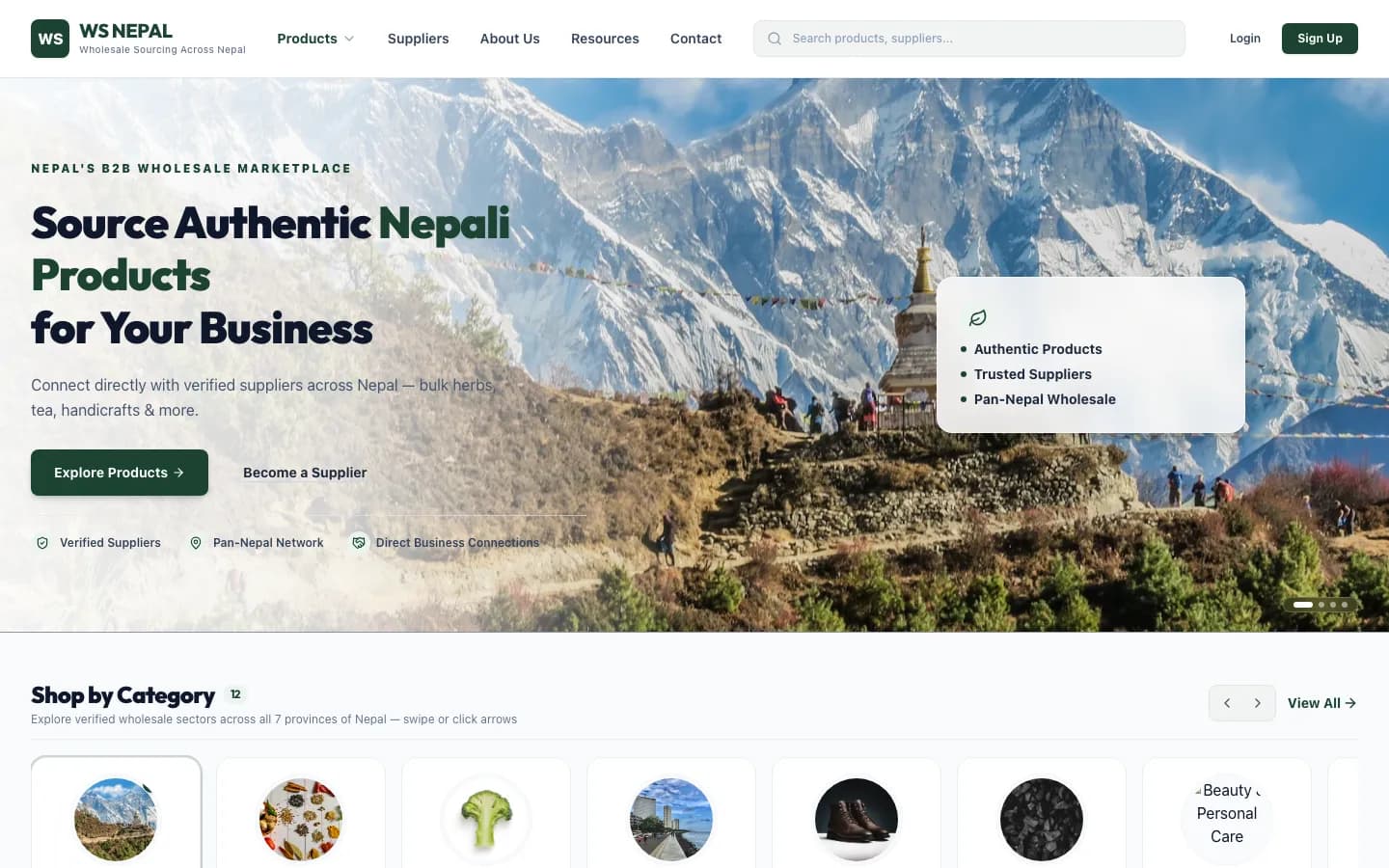 Read the WS Nepal case study
WS Nepal
B2B wholesale · Nepal
B2B wholesale marketplace connecting businesses with verified Nepali suppliers across agriculture, herbs, handicrafts, apparel and more.
Services
Services that fit.
- DevOps & DeploymentCI/CD, hosting, monitoring and rollbacks, so launch day is boring.
- Maintenance & SupportBug fixes, updates and small improvements after launch, on a plan that fits.
- Web App DevelopmentNext.js web apps and SaaS products that hold up under real traffic.
- SaaS DevelopmentMulti-tenant SaaS with accounts, roles and subscription billing built in from day one.
- E-commerce DevelopmentOnline stores with local payments, WhatsApp ordering and delivery logic built in.
FAQ
AWS & Cloud questions.
Vercel or AWS, which should we use?
For a Next.js or React frontend, Vercel is usually the simpler choice and is where our live projects run. AWS makes sense when you need background jobs, private networking, your own database servers or a specific data region. Many projects use both: Vercel for the frontend, AWS for the rest.
Can you host our app in an Indian AWS region?
Yes. AWS has regions in Mumbai and Hyderabad, and we can keep your servers and data there if latency or data residency rules call for it. We confirm which services are available in that region before we design the setup.
How do you stop surprise cloud bills?
We set budgets and billing alerts on day one, choose managed services sized for your real traffic and tag resources so every cost has an owner. We also review the bill after launch and remove anything that is not pulling its weight.
Do we need Kubernetes?
Probably not. Kubernetes is powerful but adds a lot of operational work. Most apps we see run happily on Vercel, a managed container service or a couple of servers. We would only suggest it if you already run it or have workloads that clearly need it.
Who owns the cloud accounts?
You do. We set everything up in accounts registered to your business and get access as team members. If you ever move on from us, you keep the infrastructure, the code and the deployment pipeline.
Every project starts with a conversation
Got an idea? Let's talk over chai.
A free 15-minute call. No pitch deck, no obligation. You leave with an honest read on what to build first.
- We reply within 24 hours, usually much sooner.
- NDA signed before you share the details.
- Based in Kathmandu, working with Nepal, India and worldwide.